

If you’re using 360Learning today, you probably care about collaborative learning, peer‑created content, and making internal training feel less like school and more like a conversation. At some point, though, many teams need things 360Learning is not best at: deeper compliance training, faster AI content generation, or a simpler LMS for non‑L&D teams.
In this guide, we’ll walk through the 13 best 360Learning alternatives for 2026, covering everything from AI‑powered quiz tools like Kvistly to heavy‑duty compliance LMS platforms. By the end, you’ll know exactly which tool fits your team’s size, use cases, and budget.
360Learning is a collaborative learning platform that helps companies turn internal experts into course creators. It focuses on social learning: comments, reactions, discussion threads, and co‑authored courses so that knowledge can spread faster across the organization.
It works especially well when you want:
There’s nothing “wrong” with 360Learning. It’s just optimized for a specific style of learning. As your company grows, your learning and compliance needs usually become more complex. That’s when the gaps start to show.
Common reasons teams explore alternatives:
As more learners, courses, and instances are added, costs and administrative complexity can increase. At that point, some companies start looking at low-cost LMS options or simpler online training systems.
If you operate in regulated fields, you may need deeper regulatory compliance training, stronger audit trails, and more granular course compliance reporting than a collaborative learning platform provides by default.
Many L&D, HR, and operations teams want tools that can turn policies, slide decks, or SOPs into quizzes and micro‑courses in minutes. AI training tools and compliance eLearning platforms now do this very well.
As company training programs scale, leadership expects detailed dashboards:
Some organizations outgrow basic reporting.
Not every team needs a full collaborative learning platform. Sometimes managers just need a good LMS to assign online employee training courses, send reminders, and export reports.
To keep this list actually useful (and not just another huge list of LMS vendors), we focused on tools that clearly meet at least one of these needs:
Selection criteria:
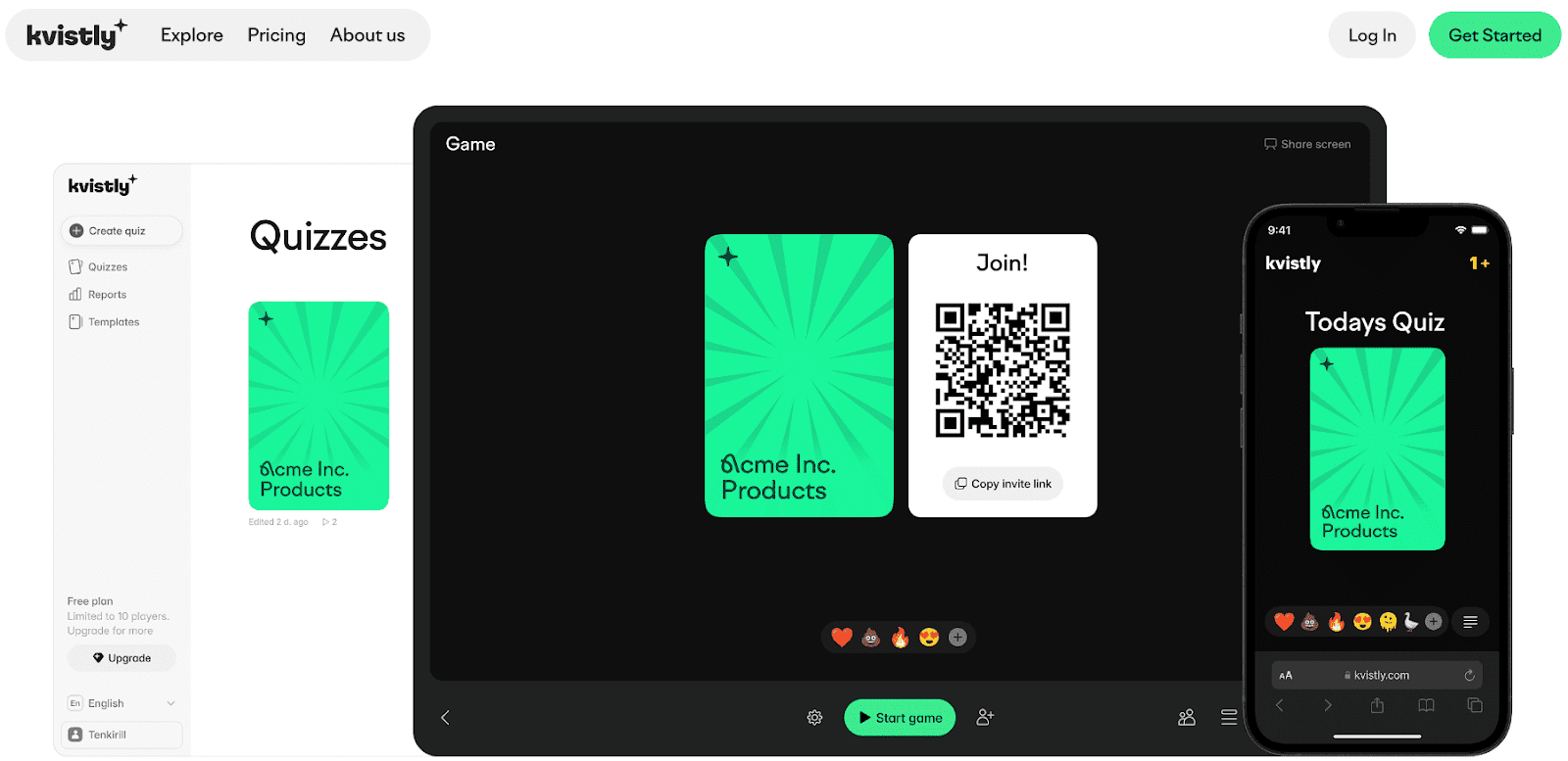
Kvistly is the best 360Learning alternative. It’s an AI‑powered quiz maker designed for training, onboarding, education, and team‑building. With Kvistly, you can turn any content into an engaging quiz in minutes. The best part is that it works for in‑person, remote, or hybrid teams.
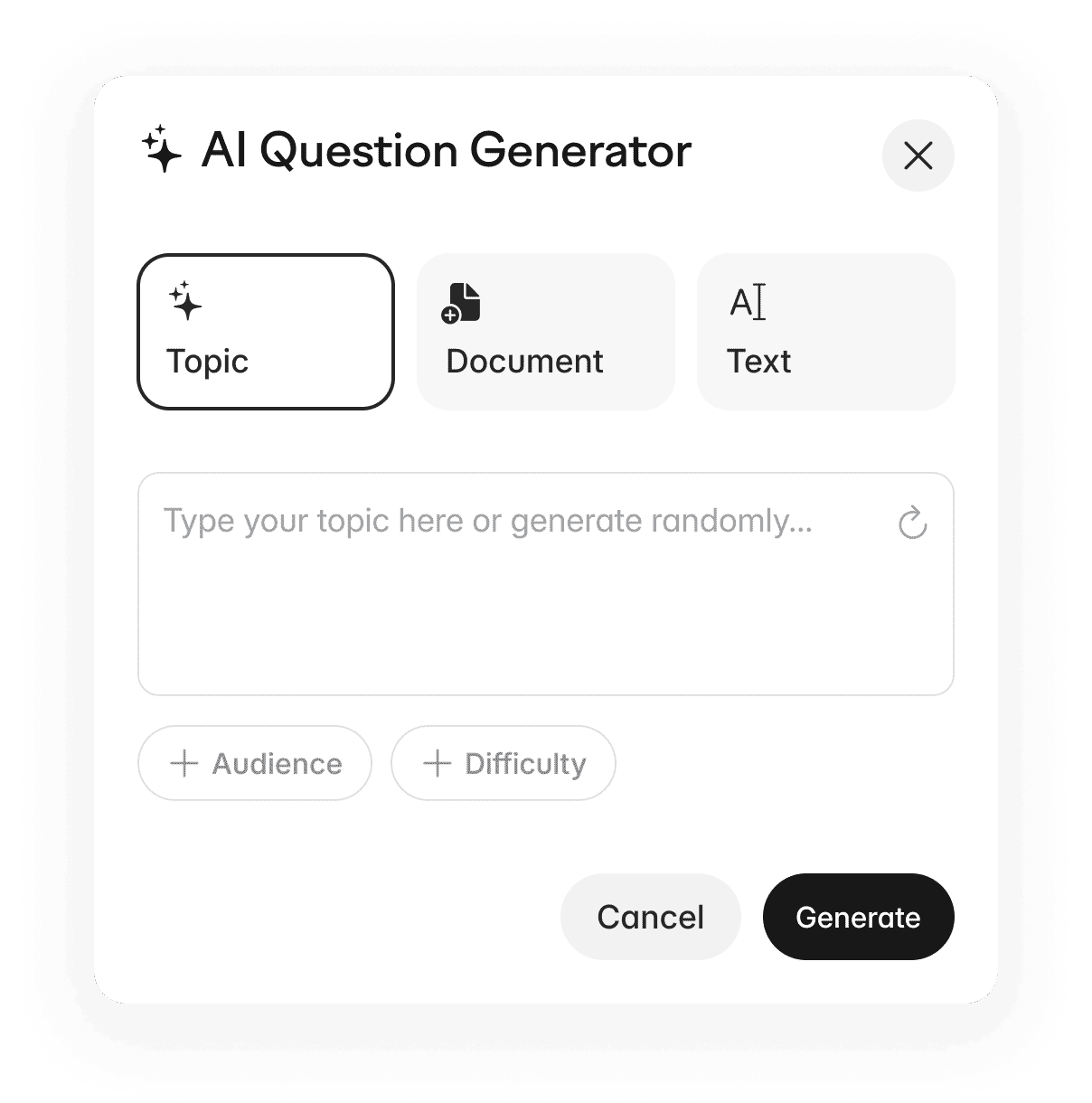
One of Kvistly’s most loved features is the AI quiz generator. Simply enter a topic, paste your notes, or upload a document, and Kvistly builds a ready-to-run quiz in seconds. For trainers and educators who run sessions often, that’s a huge time saver.
In live sessions, participants can join from any device with just a link or QR code, no downloads or setup required. They answer questions, place bets based on how confident they feel, and race each other on a real-time leaderboard. All these are designed to create a level of energy and focus that most 360Learning alternatives can’t match.
After each session, Kvistly provides rich analytics showing who answered what, which questions were most challenging, and how engagement changed over time. That insight helps trainers measure learning outcomes and spot knowledge gaps, not just run a fun one-off activity.
Teams that want to make training fun and interactive with quizzes, live sessions, and instant feedback, rather than building long course modules.
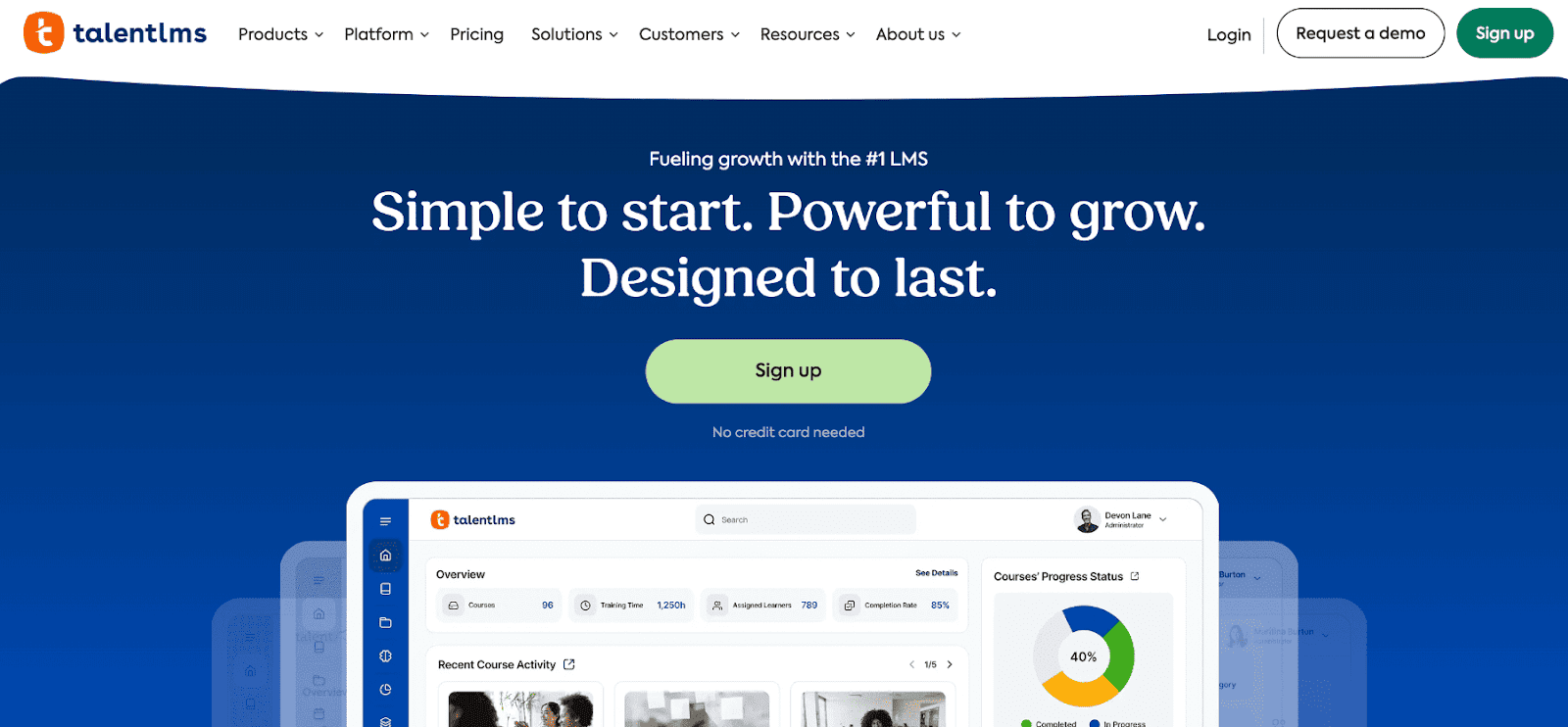
TalentLMS is a simple cloud LMS with a strong focus on ease of use and fast setup. It's one of the most popular choices for small and mid-sized businesses that want a capable training platform without the complexity or cost of an enterprise system. The onboarding experience is genuinely quick. Most admins can have their first course live within a day, which is a meaningful advantage for HR and operations teams who don't have dedicated L&D resources.
Small to mid‑sized companies that want a straightforward LMS for employee training courses and occasional compliance needs.
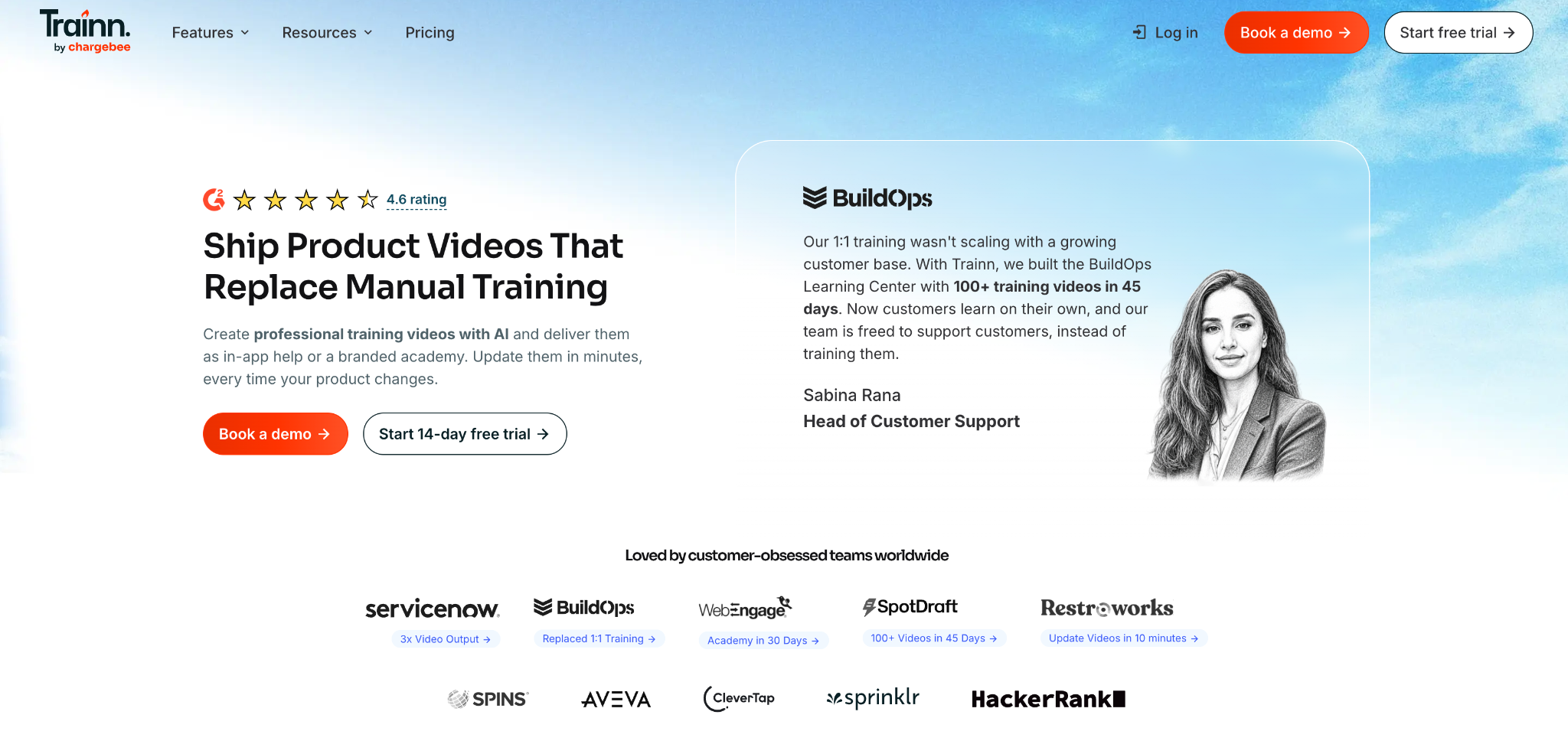
Trainn is an AI-powered customer education platform that helps teams onboard and train customers at scale. It comes with built-in multi-format content creation and delivery through a no-code LMS — so everything from content authoring to course delivery happens in one platform. Trainn is easy to set up, manage learners, and track training progress without any developer or design dependency.
• Create and deliver multi-format training content — videos, interactive guides, and documentation — all from a single platform
• Supports multilingual training for global audiences with one-click translations
• Quick to set up with no developer dependency to build, launch, or customise the LMS
Teams looking for an LMS with a built-in content authoring tool to create training content and educate customers at scale.
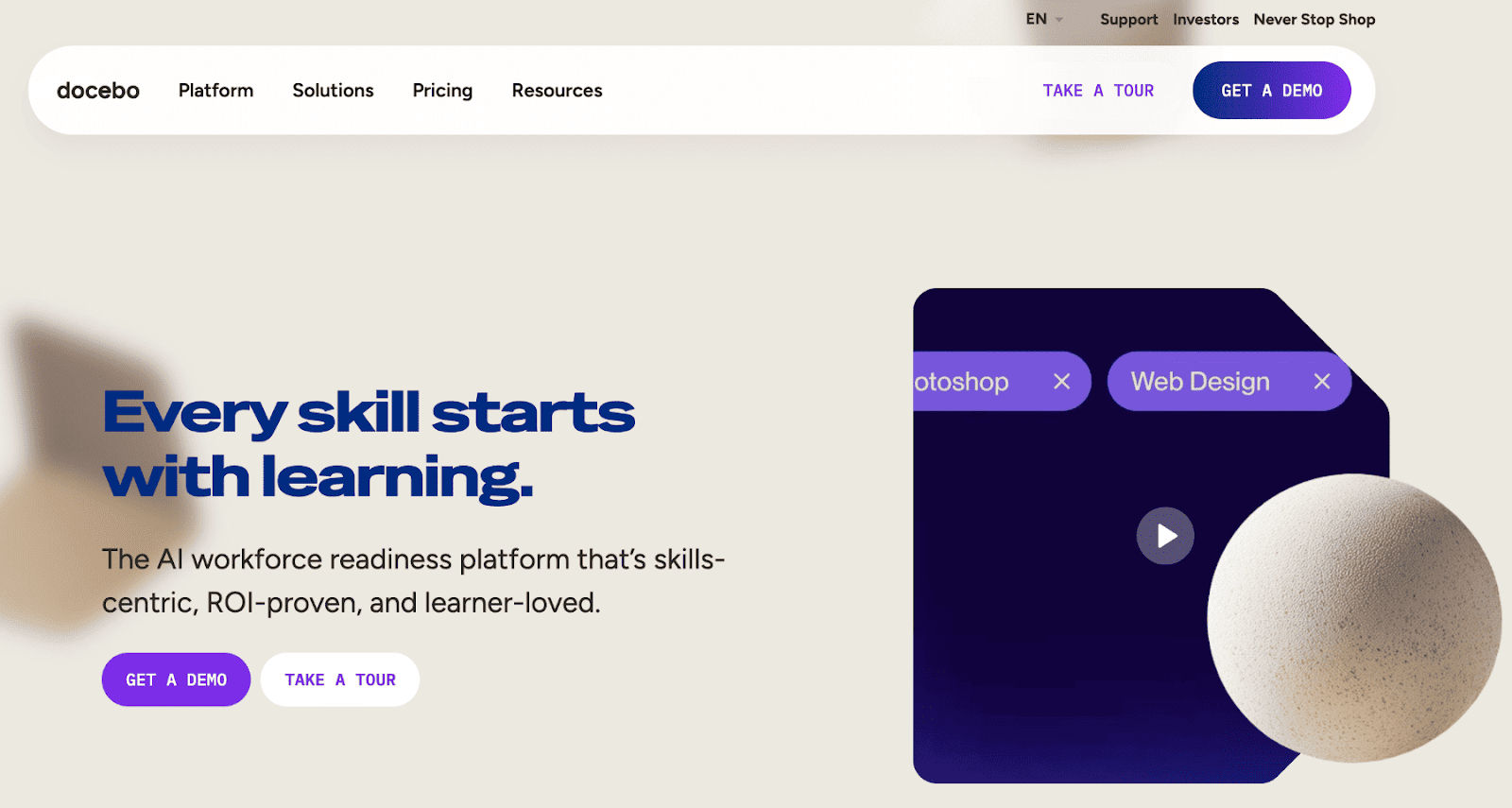
Docebo is an enterprise-grade LMS built for large organizations with complex, multi-audience training environments. It's designed to handle internal employee development, partner enablement, and customer education all within a single platform, making it a strong choice for companies that have outgrown simpler systems and need a solution that scales globally. However, implementation takes time and investment.
Enterprises that need a top LMS provider with serious compliance training programs and detailed reporting.
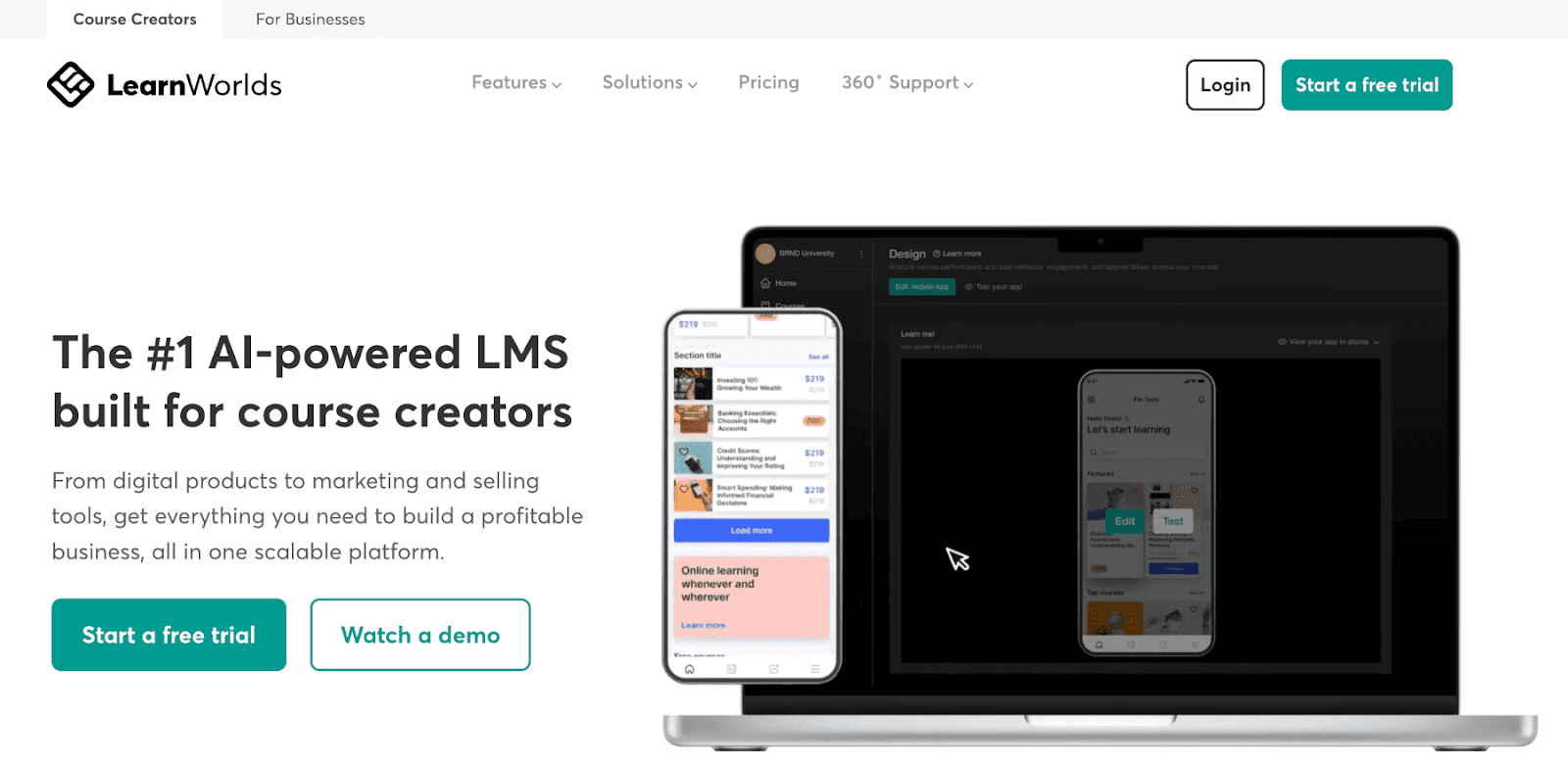
LearnWorlds is built for a very specific kind of organization: one that wants to turn its expertise into a revenue-generating training product. It combines a full course builder, a branded learning portal, and an e-commerce storefront into a single platform, making it genuinely unique on this list. If your goal is to sell courses to customers, certify partners, or build a client-facing academy, LearnWorlds gives you the tools to do that without stitching together multiple systems.
Training companies, agencies, and experts who need a course management system for external clients.
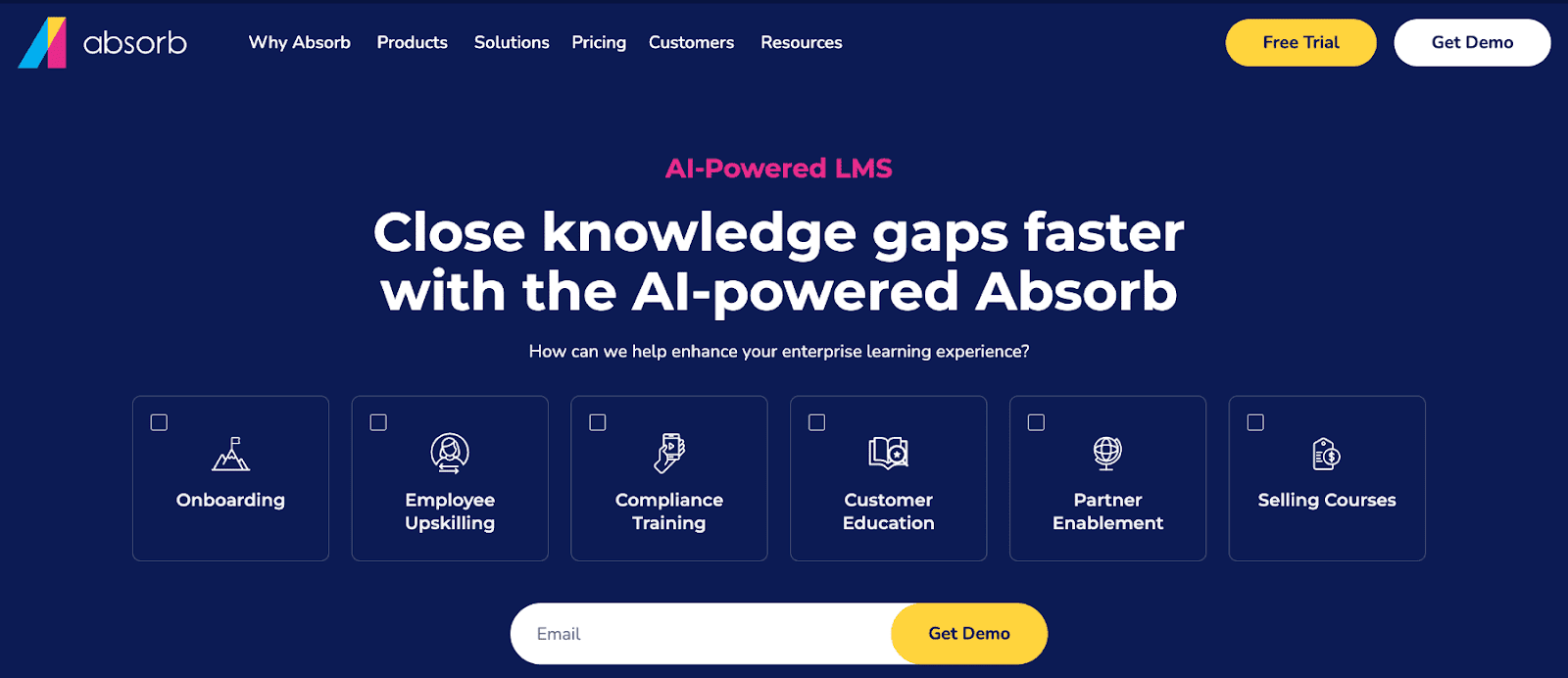
Absorb LMS was developed with compliance at its core, and it shows in every layer of the platform. From automated retraining cycles and expiry-based recertification to granular audit reporting and role-based course assignments, it handles the operational complexity of corporate compliance training in a way that many general-purpose LMS platforms simply don't. For organizations in regulated industries where training records aren't just useful but legally required, Absorb is one of the most dependable options available.
Organizations where corporate compliance training and audit‑ready reporting are top priorities.
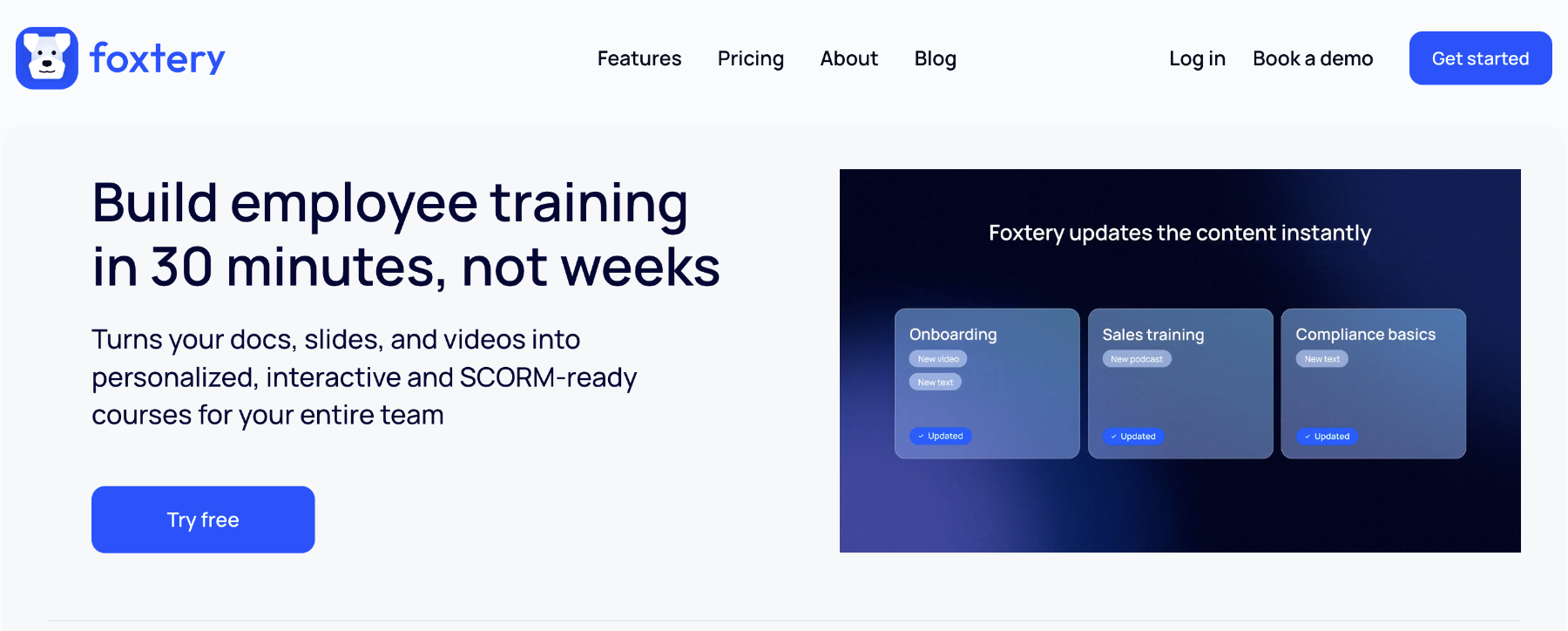
Foxtery is a newer but fast-rising platform focused on turning company knowledge into structured, usable training content using AI. Where traditional LMS platforms require manual course building, Foxtery leans heavily into automation, helping teams convert internal documentation, SOPs, and knowledge bases into learning materials much faster.
This makes it particularly valuable for operations, support, and fast-scaling teams that need to standardize knowledge quickly without investing weeks into course creation. Instead of building everything from scratch, Foxtery acts as a bridge between raw company knowledge and structured learning experiences.
Teams that want to automate training content creation and turn internal knowledge into scalable learning programs without building courses manually.
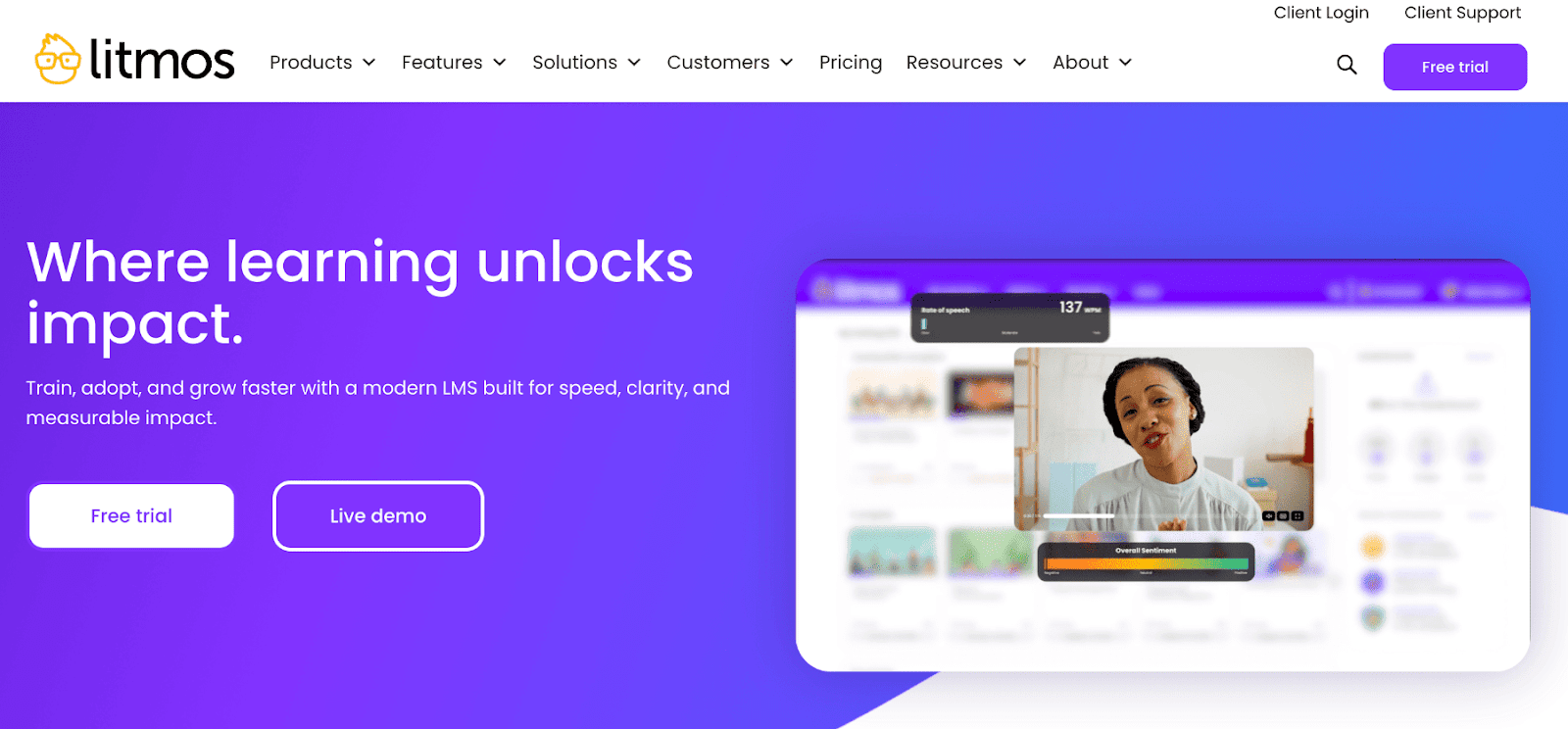
SAP Litmos is a 360Learning alternative for brands seeking an enterprise-ready LMS with a reputation for reliable compliance and sales training delivery. It comes with one of the largest prebuilt content libraries in the industry, covering standard regulatory topics such as data privacy, workplace safety, anti-harassment, and industry-specific requirements. For companies that operate across multiple regions or jurisdictions, the breadth of their content library is a meaningful time and cost-saver.
Mid‑size and enterprise organizations that need regulatory and compliance training courses at scale.
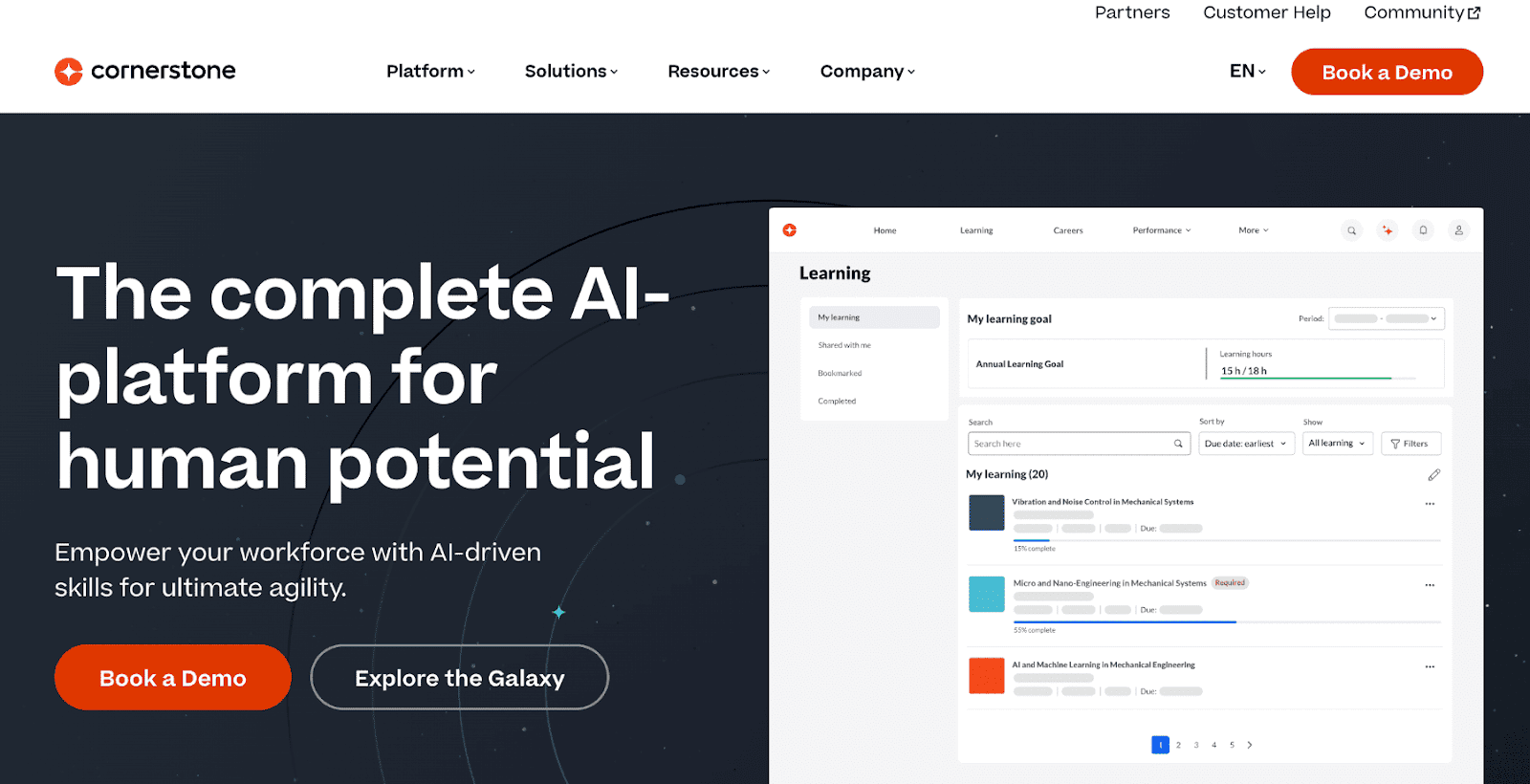
Cornerstone is a full talent suite that connects learning with performance management, skills tracking, succession planning, and workforce analytics. For large organizations that want training to be genuinely integrated into how they develop, evaluate, and retain people, rather than sitting in a separate system nobody checks, Cornerstone is one of the few platforms built to bridge that gap.
Large organizations with complex workforce and compliance training needs.
Thinkific Plus, the enterprise tier of Thinkific, is one of the most widely used course creation platforms in the world. Where standard Thinkific serves individual creators, Thinkific Plus is designed for organizations that want to build scalable, revenue-generating training products for customers, partners, or members. It gives you the tools to create a fully branded customer academy, complete with custom domains, SSO, tiered access, and B2B selling options.
Teams that want to turn expertise into a scalable external training business.
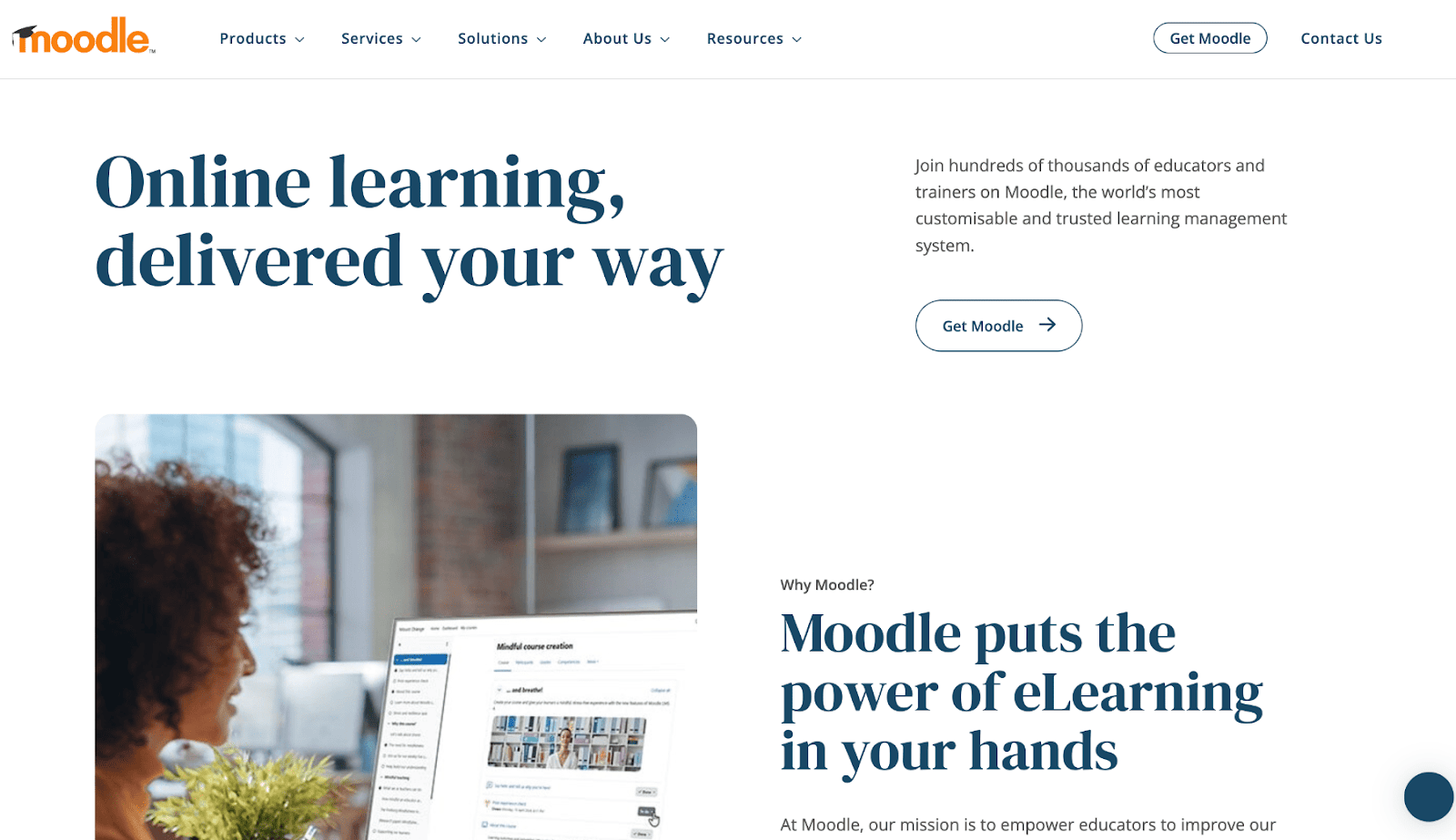
Moodle, one of the world's most widely used open-source LMSs, is another 360Learning alternative to consider. Its appeal is straightforward: because the core platform is free and self-hostable, organizations with technical resources can build highly customized learning environments at a fraction of the cost of commercial LMS platforms. For budget-conscious organizations that also need flexibility and control, Moodle is genuinely hard to beat in terms of total cost of ownership over the long term.
Organizations with an IT team that want a low-cost LMS and total control over their learning management software.
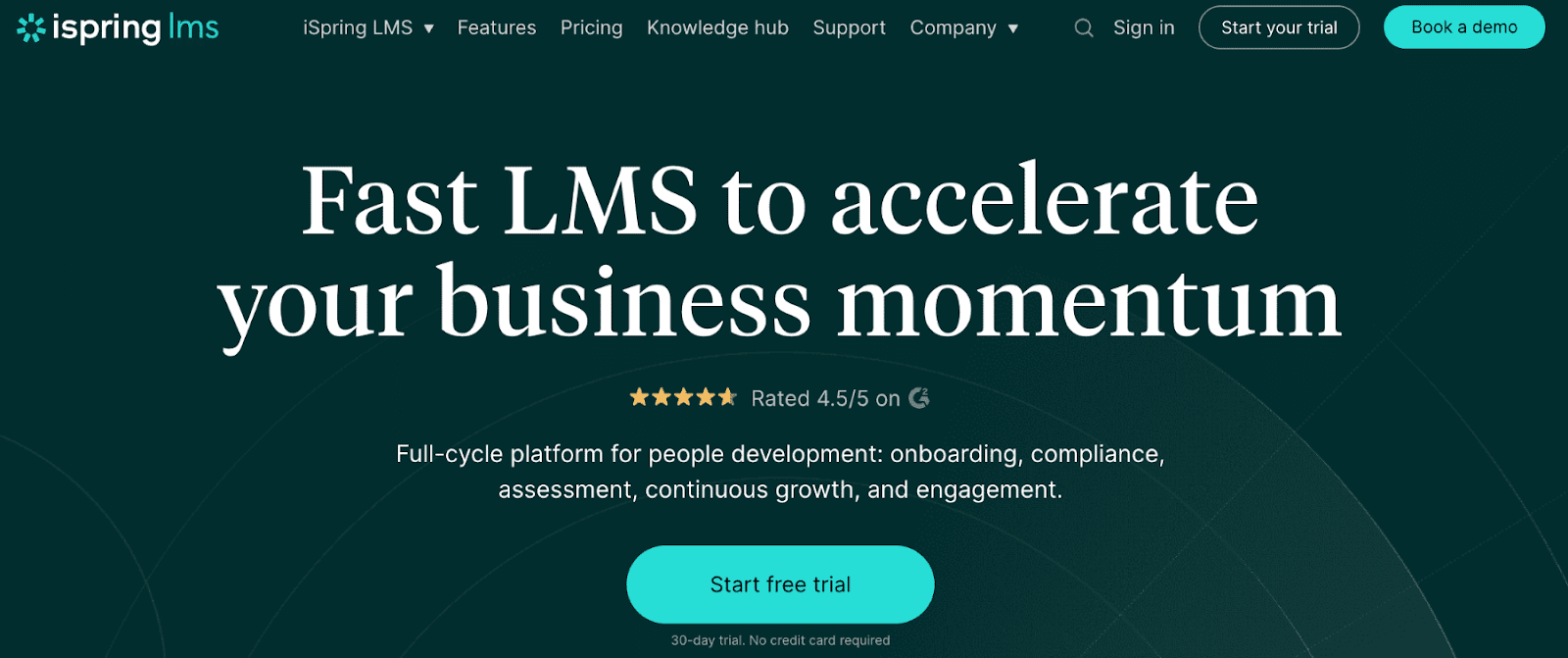
iSpring Learn is a practical, no-nonsense LMS that pairs tightly with the iSpring Suite authoring toolkit (a PowerPoint-based course creation tool). The combination makes it an unusually fast path from existing training materials to a live online course. If your organization has years of PowerPoint presentations, procedure documents, or slide-based training sitting on a shared drive, iSpring Learn lets you turn that content into structured online courses with relatively little rework. That's a meaningful advantage for teams that want to move quickly without starting from scratch.
Companies that want to launch onboarding, learning, and simple compliance training programs quickly.
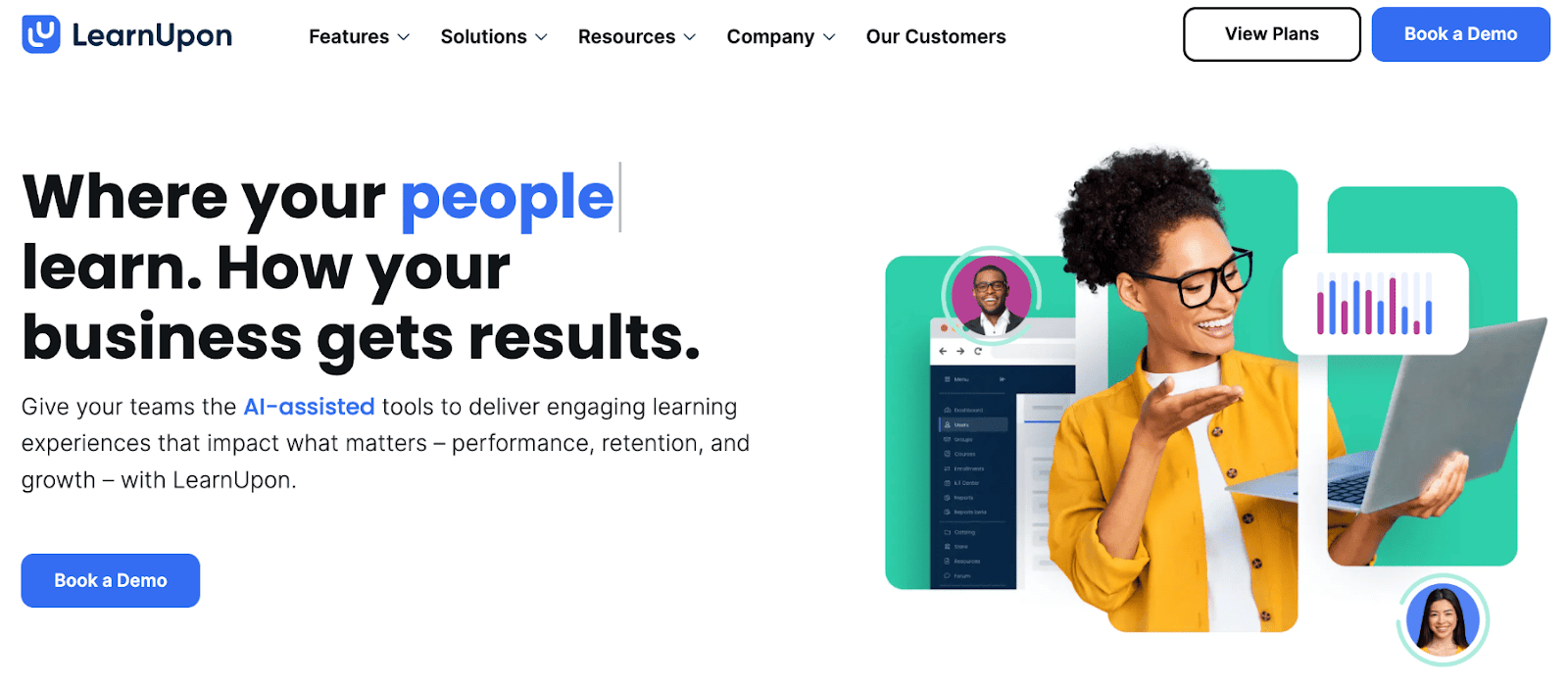
LearnUpon was designed to be a multi-audience training platform. You can use it for your employees, partners, customers, and contractors. It serves different content depending on the current audience. This enables you to run separate learning environments for different groups from a single admin account. That structural flexibility is one of LearnUpon's clearest advantages over platforms that treat "learners" as a single, homogeneous group, and it's a major reason mid-sized and scaling businesses find it a practical long-term solution.
Growing companies that want one platform for employee training, customer onboarding, and partner enablement.
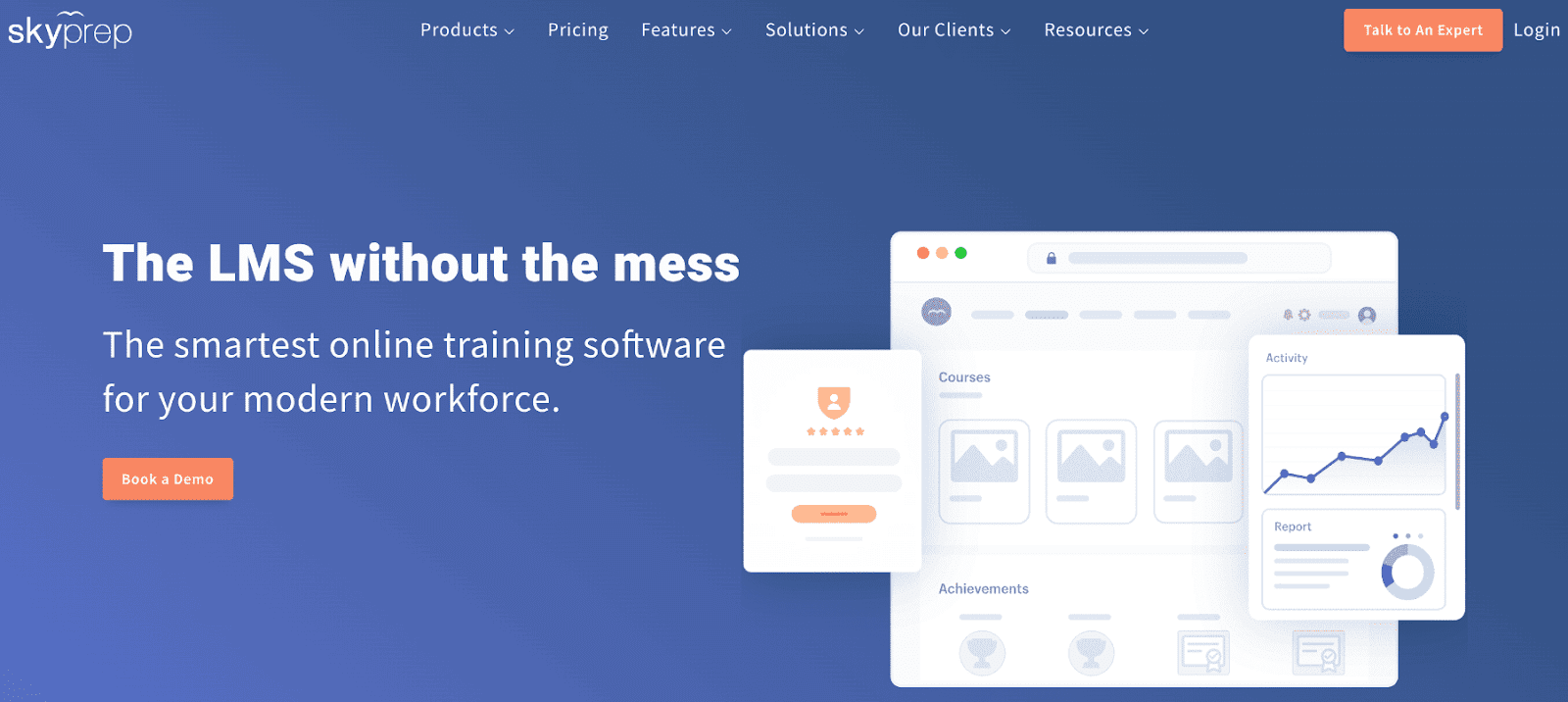
SkyPrep is a lightweight LMS designed for organizations that want straightforward online training without the configuration overhead of a full enterprise platform. The setup experience is genuinely fast. You can create courses, upload content, assign learners, and start tracking completions within hours not days. For small businesses, non-profit organizations, or internal teams that need a simple, dependable training system without a steep learning curve or a large budget, SkyPrep effectively fills that gap without overcomplicating.
Teams that need a good LMS for basic training for compliance and skills, without enterprise complexity.
To make things easier to pick the right 360Learning alternative for you, here’s a quick mapping based on your primary need:
When you compare 360Learning with its alternatives, a few patterns emerge. Here are the most common differences:
With so many options on the market, choosing a 360Learning alternative can be daunting. Use these questions to narrow down your shortlist:
Small team now, or do you expect to be an enterprise with thousands of learners soon?
If you’re staying lean, a lightweight, low‑cost LMS is usually easier to manage day‑to‑day. If you’re planning rapid growth, it can be worth investing early in a platform that can scale with you so you don’t have to migrate later.
Is your focus compliance e-learning, onboarding, product training, or revenue‑generating courses for customers?
Internal compliance and onboarding usually call for strong tracking and certification features, while customer or partner training needs better branding and e‑commerce options. List your top 2–3 training priorities and choose a tool that’s clearly built for those use cases.
Do you need audit‑ready regulatory and compliance training with certifications, or mainly internal learning and development?
If regulators or clients can ask for proof at any time, you’ll want robust reporting, expiry rules, and recertification workflows. If not, a simpler LMS focused on skills and knowledge sharing may be more than enough.
Are you okay with enterprise pricing, or do you need a low-cost LMS and simple LMS SaaS pricing?
Per‑user pricing works well for smaller teams, while large organizations often prefer active‑user or tiered models to control costs. Make sure you understand how pricing changes as your learner count, portals, or feature needs grow.
Which systems must your LMS connect with—HR, CRM, collaboration tools, identity providers?
If you rely on single sign‑on or automated user provisioning, choose a platform with proven integrations for your tech stack. Good integrations save you hours of admin work and help keep training data in sync across the business.
It depends on your needs: Kvistly for AI quizzes and engagement, SAP Litmos or Absorb for compliance, and Docebo or Cornerstone for enterprise learning management.
SAP Litmos, Absorb LMS, and Cornerstone OnDemand are strong choices for corporate compliance training and regulatory compliance training programs.
Yes. Moodle (open source) and budget‑friendly platforms like SkyPrep and TalentLMS offer low-cost LMS options for small and mid‑sized teams.
For everyday employee training and onboarding, iSpring Learn, TalentLMS, and LearnUpon are popular picks.
Match the tool to your team size, compliance needs, content type, and budget, then run a pilot with 1–2 departments before a company‑wide rollout.
Collaborative learning platforms focus on social interaction and peer‑generated content, while AI training platforms focus on automating content creation, quizzes, and personalization.
Small businesses usually succeed with TalentLMS, SkyPrep, or Moodle because these platforms balance price, features, and ease of use.
Top LMS providers include 360Learning, Docebo, SAP Litmos, Cornerstone, TalentLMS, and Moodle, as well as specialized tools like Kvistly for AI quiz‑based learning.